
Your QuickBooks tax liability report may not match your payroll summary because they calculate and display different data, use different date ranges, and include unique adjustments. Proper reconciliation resolves discrepancies. Call +1-866-513-4656 for expert support.
If your QuickBooks payroll totals look like a magic trick—where one report shows one number and another shows something completely different—you are not alone. Payroll summary mismatches versus tax liability reports are one of the most common frustrations for business owners and accountants alike. Understanding why these differences occur is the first step toward accurate payroll reporting.
In this guide, we will break down why your QuickBooks tax liability report does not match your payroll summary, explain the common causes, and provide practical step-by-step solutions to reconcile discrepancies. Whether you are a small business owner or a payroll specialist, this article will make payroll reconciliation simple, clear, and manageable.
Table of Contents
Understanding QuickBooks Payroll Reports
Why Payroll Summaries and Tax Reports Differ
Common Causes of QuickBooks Payroll Discrepancy
Step-by-Step Payroll Reconciliation in QuickBooks
How to Fix QuickBooks Payroll Report Mismatch
QuickBooks Payroll Audit Tips for Accuracy
Conclusion
FAQ
Understanding QuickBooks Payroll Reports
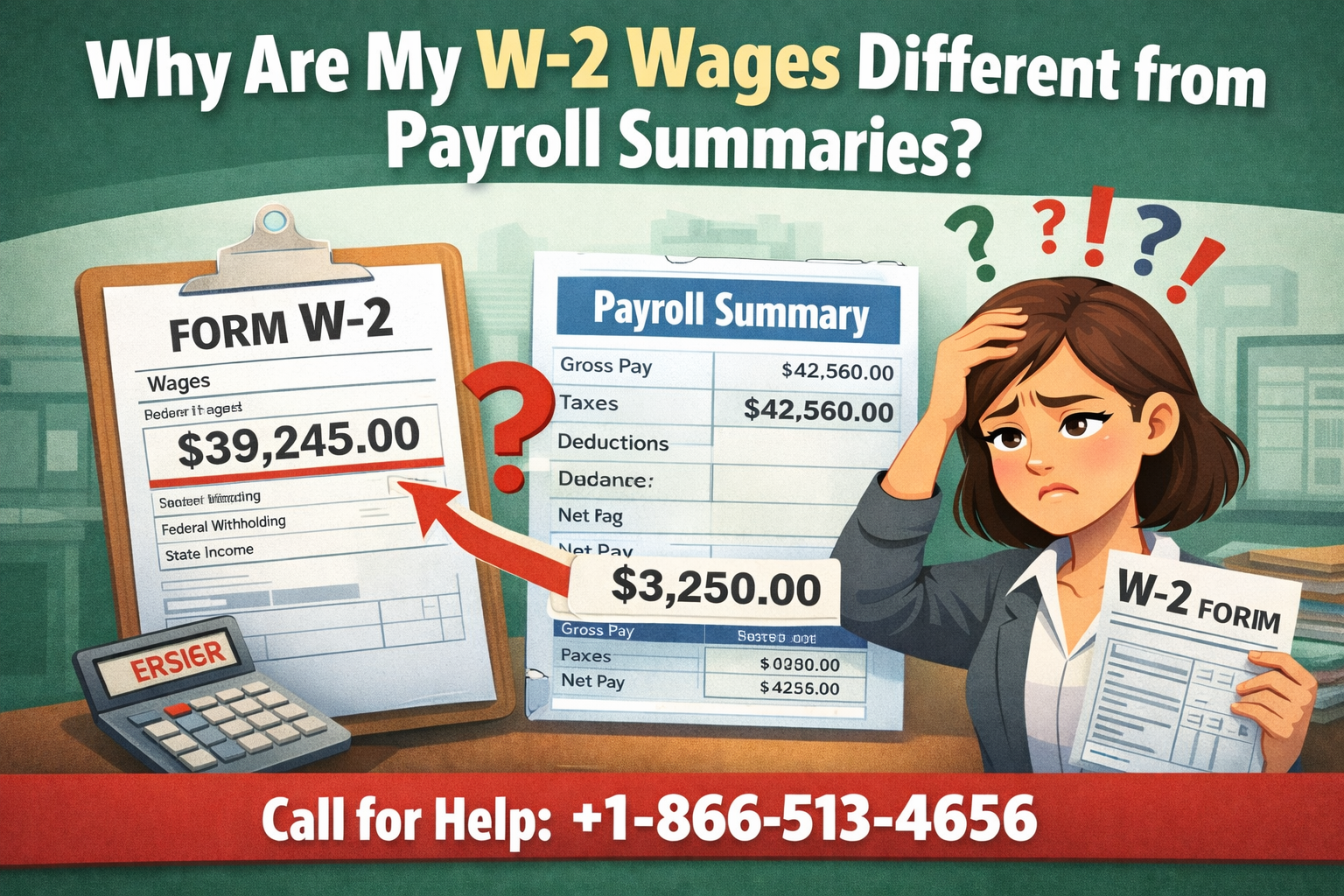
QuickBooks provides several payroll reports designed for different purposes. Your Payroll Summary report lists gross wages, deductions, taxes withheld, and net pay for each employee during the selected period. Meanwhile, the Payroll Tax Liability Report focuses on taxes owed to federal, state, and local authorities and any adjustments in liability accounts.
Because these reports track different data points, it’s normal to see small or even moderate differences between them. The Payroll Summary focuses on employee earnings and deductions, while the tax liability report focuses on amounts owed to agencies. Understanding these fundamental differences is crucial to troubleshooting mismatches.
Why Payroll Summaries and Tax Reports Differ?
Even when everything is entered correctly, you might notice discrepancies. Common reasons include:
Date Range Differences: Reports might use different timeframes. Payroll summaries use pay dates, while tax reports may use liability dates.
Pre-Tax Deductions: Items like 401(k) contributions or health insurance reduce taxable wages. The summary shows gross wages, but the tax report may adjust for these deductions.
Employer Contributions: Payroll summary shows both employee and employer taxes, whereas liability reports focus only on what is owed.
Voided or Edited Checks: Changes to checks can leave lingering balances in liability accounts, causing mismatches.
Manual Journal Entries: Adjustments outside payroll routines can shift tax liability without affecting payroll totals.
Inactive Payroll Items: Misconfigured items may appear in payroll but not in the liability report.
These reasons explain why discrepancies are common, but manageable.
Common Causes of QuickBooks Payroll Discrepancy
Some causes appear repeatedly when troubleshooting QuickBooks payroll report mismatch:
Incorrect Date Filters
Always check that your payroll summary and tax liability report are using the exact same date range. Even a single day difference can produce mismatched totals.
Payroll Item Setup Errors
If a payroll item is linked to the wrong account or misconfigured as taxable/non-taxable, QuickBooks calculates it correctly for payroll but may not reflect it properly in the liability report.
Voided or Deleted Transactions
Voided paychecks or manually deleted checks can leave residual balances in tax accounts. QuickBooks still tracks these in liability reports until adjustments are made.
Manual Tax Payments Outside Payroll
Paying taxes using “Write Check” instead of the “Pay Liability” feature disconnects payments from payroll reporting, creating discrepancies.
Outdated Tax Tables
Running payroll with outdated tax tables may cause calculations that differ from liability reports. Always update QuickBooks payroll tax tables before processing payroll.
Step-by-Step Payroll Reconciliation in QuickBooks
Reconciling payroll reports is easier when you follow a clear process:
Align Report Dates: Run both Payroll Summary and Payroll Tax Liability reports for identical periods.
Check Payroll Detail: Use the Payroll Detail Review report to track each paycheck and tax item.
Verify Payroll Item Mapping: Ensure all items are linked to the correct liability accounts.
Adjust Voided Transactions: Correct voided or deleted checks to clear any leftover balances.
Use Liability Adjustment: For year-to-date corrections, QuickBooks provides a Liability Adjustment tool. Always back up your file first.
Update Tax Tables: Confirm payroll tax tables are current to prevent miscalculations.
Following these steps resolves most payroll vs tax liability report mismatches and ensures your QuickBooks records are accurate. Call+1-866-513-4656 for expert support and help.
How to Fix QuickBooks Payroll Report Mismatch?
When discrepancies persist, these practical fixes usually solve the problem:
Confirm report date ranges match exactly.
Review payroll detail for missing or misclassified tax items.
Fix any payroll item setup errors or incorrect tax mappings.
Correct voided, deleted, or manually altered transactions.
Use the built-in reconciliation and liability adjustment tools.
Regularly update payroll tax tables to ensure accurate calculations.
These fixes help maintain accurate QuickBooks payroll tax reconciliation and reduce the likelihood of reporting errors.
QuickBooks Payroll Audit Tips for Accuracy
Prevent future payroll reporting problems with consistent audits:
Run payroll reconciliation reports monthly.
Verify payroll item setup after each software update.
Document all payroll adjustments with clear notes.
Review inactive payroll items to ensure they don’t impact reporting.
Keep backup copies before large adjustments or tax filings.
Regular audits help catch QuickBooks reporting inconsistencies early and keep payroll compliance intact.
Conclusion
Discrepancies between your QuickBooks tax liability report and payroll summary are common but solvable. Most differences come from date ranges, payroll item setup, voided transactions, or manual adjustments. By reconciling reports, aligning filters, and fixing setup errors, you can maintain accurate payroll totals, simplify reporting, and reduce tax compliance risks.
FAQ
1. Why does my QuickBooks payroll summary differ from the tax liability report?
Reports pull different data and use different filters and date ranges. Mismatched totals are normal unless setup or filtering issues.
2. Can I fix mismatched QuickBooks payroll totals myself?
Yes. Align report dates, check item mappings, and use QuickBooks reconciliation tools to correct most issues efficiently.
3. What causes payroll tax reporting issues in QuickBooks?
Common causes include incorrect payroll item setup, voided or deleted checks, manual tax payments, and outdated payroll tax tables.
4. How often should I reconcile payroll reports?
Monthly reconciliation is recommended to detect discrepancies early and ensure accurate reporting for taxes and employee wages.
5. Is it normal for payroll summary and tax liability reports not to match?
Yes. Reports track different data points. Proper reconciliation ensures the numbers align for reporting and tax purposes.





Write a comment ...